Thursday, August 1, 2013

Social Justice and College Sports


Two weeks ago I was picking up a car at Enterprise Rental and had to talk to the manager. I thought I recognized him and asked his name. Sure enough, he had played defensive end for UW nine years ago, graduated and now managed this branch complete in white shirt and tie and spread sheet analysis. We talked awhile, and he mentioned how scared he had been arriving at UW as a highly recruited three star recruit-but with horrible SAT scores and miserable GPA. He spoke of how difficult and depressing the first two years had been learning to be a student and things like getting his first coat and tie and learning how to study and behave on the road.  “It was hard, really hard, but I graduated. Now I’m on my way up in the company.” That was his summary.


By historical accident, college sports have become an agent of social justice on college campuses. In this discussion I will narrow my discussion to issues of minority access to colleges, but could just as easily have talked about the college athletics contributions  surrounding women's access and achievement. Each year thirty to fifty young minority males who would normally not get accepted are admitted to colleges across the country as student athletes. All the algorithms predict that these minority males should fail. Yet six years later sixty to eighty percent of them graduate. Each year college athletics helps minority students who by all majors should fail in college.

Many state colleges can admit unprepared student athletes as a normal part of their mission. College athletes from disadvantaged backgrounds both from broken urban areas and poor barren rural areas come from underfunded and disorganized public schools. They have neither the social resources nor academic support to achieve the SAT/ACT scores or fluid literacy to get into good private or flagship state colleges.

90% of minority and white students from these class backgrounds will never graduate from college. Elite publics and privates have trace elements of non-Asian male minority students on campuses. The triage of American higher education requires high-standardized scores, high grade point averages and high quality essays. These schools traditionally have few minority males based upon the collapsed pipelines from high schools. The end result black male students represent 2.7% of the population at flagship state universities compared to 7% of school age population. Minority males graduate at the lowest rate of any groups in colleges.

Many of the black and other minority presences on campus derive from recruiting and stocking up high achieving minority students. These schools seldom recruit minorities from seriously disadvantaged backgrounds get to these schools. College athletics enters the scene in recruiting and trying to educate minority from ill prepared backgrounds who would be consigned to the waste heap by normal admission andoutreach approaches. 

The few students from these backgrounds arrive at college struggling to master the textbooks, unused to the workloads and behind from the first day. Without strong support they fail at astronomical rates and have the highest non-graduation rates of any groups in college.  

Paradoxically college athletics has figured out a way to recruit, train and graduate these students. On many of these campuses athletes comprise very high percentage of the minority males on that campus In addition these destined to fail students graduate at rates far beyond anything that would be predicted by their academic profiles.

The difficulty in finding minority male students prepared to succeed academically is well documented. What is often ignored is that in a number of flagship state and private schools student athletes can make up as high as twenty to thirty percent of minority males in groups such as African American, Hispanic or Pacific Islander populations. This far exceeds the population ratios for the student body.

This reflects the collapse of the social and academic pipelines to these schools of prepared minority males. This is not an ideal situation, and no one in their right minds wants minority males investing immense amounts of effort into athletes rather than academics. Many males do not have the support structure to build opportunities for sustained academic success and mentoring. They find success, identity and most importantly engaged adults in sports. They claw their way out through sports, and colleges who accept them have the opportunity and obligation to not just train them as athletes but as real students. Modern NCAA rules require prospective student athletes to take a defined list of college core classes with minimum grades to even be considered for scholarships. A desire to play college ball is linked to getting a high school education. Colleges have an ethical obligation to invest in them so that student athletes leave school not as ex-athletes without a future, but as educated young men who will contribute to their own and their society’s future.

The relatively high graduation rates of admitted minority males who would not normally get into college or succeed remain one of the unsung achievements and lessons of college athletics. The average black athlete graduates at a 17 percent higher rate than black regular students. Black student athletes still graduate at 68% rate versus 87% rates with white athletes, but the rate has gone up considerably as the reforms of 2003-4 start to take effect.  At the same time minority male student athletes especially in basketball still tend to graduate at lower rates than anticipated.

Most student athletes come into college identifying as athletes. They have excelled as athletes and received praise and success as athletes. A very high percentage of student athletes from disadvantaged backgrounds expect to become professional athletes. 70 percent of the basketball players in Division II expect to become professionals when they enroll as freshmen!

Left on their own as athletes without significant social and academic support, these minority athletes will fail at high rates. The much lower graduation rates at Division I championship schools reflects the importance of economic investment in support. Student athletes get in, but these schools do not have the resources of the will to invest in significant academic and social support to help the young athletes develop as students and change their identity focus. To be blunt, admitting disadvantaged student athletes without serious investment in academic and social support amounts to exploitation—they will predictably fail at very high rates.

For underprepared and disadvantaged student athletes to succeed two processes have to occur. First, they have to come to a new understanding of themselves as students. This requires getting the basic skills and confidence to compete in the same classroom with well-prepared peers. Second, the students need the academic and social support to get over the first two very hard years where they struggle like fish out of water.

Athletics achieves this by leveraging the student athlete’s passion to play sports just as new rules require high school athletes to take better classes and get better grades. Under NCAA rules the student must make progress towards degree by taking a set of classes in percentage increments, passing the classes and finding a degree over a three-year arc. Unless student athletes meet these rules they cannot play. These formal rules will only really work if the coaches strongly, let me emphasize strongly, push classroom attendance and education. If athletes experience lost playing time or practice time tied to academic attendances and performance, they will show up.


The first two years are critical for support. The student athletes grapple with succeeding in alien classrooms where the stakes and standards are higher than they have ever experienced. The introduction to academic classes needs to occur slowly.

We need to be honest here. Most of these athletes from disadvantaged backgrounds have failed as students. Academic classrooms are places of anguish and failure for them. They face an alien culture that many of their middle class students take for granted. So most successful programs start out student athletes in prep classes to introduce them to the demands of modern college classrooms. They take a trajectory of classes for small successes. This slow preparation takes around two years to acclimate student athletes into functioning as students in the practiced way many middle class or successful working class kids take for granted.

Good academic support programs build in strong tutoring, study tables. This takes economic investment to ensure students master basic skills and confidence as students to compete in the classroom. If the system works, then in their junior years student athletes begin to identify as students also, but also begin to realize that they will not be professionals—although this confidence can be invincible when third string corner backs still believe they will be professionals some day.

The other huge lesson and advantage lies in the community and structure that surround athletes. In even off-season they work 30-40 hours a week on athletics. This surrounds them with a community of peers and adults. The structure gives them a purpose and leverages the purpose towards keeping the student focused when they face the chaotic, strange and seemingly hostile academic world of major universities.

This structure and community can be replicated for non-athlete students. Programs that succeed in educating students from disadvantaged backgrounds do so with programs that provide purpose, strong initial academic support and a community structure—the very attributes that college athletes provides. The data on increasing not only minority but also all student graduation rates builds upon community and support structures.  

The academic and social support is not perfect and can be abused. But they help compensate for the very heavy and required work load that the athletic scholarship burdens

All the support in the world will not matter if coaches do not bring push connecting learning in the classroom to desire to play. Most college coaches are teaching at college because they believe in helping educate the student athletes as well as coaching sports and winning. In addition the coaches and universities now have strong incentives to push for academic progress because off potential lost scholarships and worse lost opportunity to play in NCAA tournaments or bowl games.

I am not naive. A high percentage of minority athletes end up in majors that look like dead ends, especially often maligned ethnic studies. These claims often do injustice do many ethnic study programs that have strong social science and humanities components. But it is important to remember that most college students end up in majors that do not prepare them for jobs. This is not the point of most social sciences and humanities; they prepare students to read with understanding, write well and think critically. They provide general adaptable cognitive frameworks for how to learn and master subjects in a wide variety of settings. All students from these backgrounds face short-term challenges in this job market.

The graduation rate of minority male student athletes has improved for the last several years reflecting consistently tighter and more aggressive academic reforms ranging from higher high school requirements to mandate progress to degree to new penalties for lower graduation rates that kept schools like Connecticut. The one spot that continues to resist reform efforts remains men’s basketball especially at mid major schools who use it to get tournament access. College basketball has by far the most corrupt feeder system, and the one and done mentality encourages less high school preparation, less investment in athletes once they arrive and leads to a culture of rampant transfers to gain playing time. Unfortunately transferring leads to lower GPA and a much lower probability of graduation.  The roots of basketball sport are now so compromised and so many schools have so little money for academic support that I remain deeply pessimistic that the universities will be able to achieve the social justice possibilities in basketball that present themselves elsewhere.

This combination of purpose, support and structure can provide the context for academically and economically disadvantaged students to integrate in and succeed in quality academic settings. This stands as a success, paradox and challenge of college sports.


Tuesday, July 16, 2013

Baseball Plays a Race Card: A Review of 42


In the United States, the race card plays as a trump. It beats other hands and plays. It shifts the dynamic and often the rules of a game. Today people mutter that minorities play the race card for gain or protection. But the history the race card is deeper and uglier. The race trump has a long history of lots of bad and a little good. The South played it at the Constitutional Convention to enshrine slavery. The South played it to end fugitive slave laws and hold the north hostage for fifty years prior to the civil war. Lincoln played it to help win the civil war, and Republicans used it to reconstruct the South. The Democrats played it to begin segregation and the Republicans played it under Nixon to create the modern race based Republican party. You get the picture.


By 1947 the plays of the race card had resulted in a segregated America reflected in sports where parallel worlds of sports, especially baseball coexisted in the economic and cultural shadow of professional baseball. In 1947 amid the tumult of the post war years, Branch Rickey the owner of the Brooklyn Dodgers played the race card big time in America’s biggest sport and source of heroic narrative baseball. He shattered the rebuilt Maginot line of cultural and legal racial segregation—separate but equal—by bringing in Jackie Robinson—number 42—to be the first Negro player in the major leagues.

I once asked my dad, a midwestern moderate Republican, why he so strongly supported civil rights He looked at me and said, “I fought with Negroes in the war. They defended our country. They deserve their rights.” That’s all he said and that’s all he needed to say. His comments always stayed with me and came through very powerfully when I watched the stately and careful story of how Jackie Robinson broke the color line in baseball for the Brooklyn Dodgers in the movie 42.

 Americans have always played out their diverse tensions in their movies. It could be the racist old south defense of Birth of a Nation or the stories of multi-ethnic platoons in World War II movies or the gangster or Indian stereotypes in the movies of the thirties and fifties. Movies could respond to and help move the culture in revising these narratives as the great Godfather moves rethought the gangster narratives.

Sports has always thread through American consciousness as a source of identity, community and proxy conflict. Sports movies ally two powerful cultural forces and can address head on the many racial and gender issues. 42 continues that tradition as well as the recalling of how raw and real racism was and is with such movies as GloryRoad and Remember the Titans.

In post war America baseball occupied a unique spot as THE American sport. It riveted attention of the entire country and provided endless narratives of heroic figures. The Post-war era heightened this heroic focus because so many great players had fought in the war. Bob Feller, Joe DiMaggio, Stan Musial or Ted Williams now returned as heroes of war and sport. 42 focuses upon how this time provided a window of opportunity for Rickey to attack the fundamental taboo and color line that segregated America into two decidedly unequal cultures.

Played with crusty and mumbling charm and surprising strength by Harrison Ford, Branch Rickey laid the ground work carefully having scouted the Negro leagues for years. He prepared his own assessment of the various candidates to be the first. He turned down several candidates for not possessing the type of mental toughness to endure the abuse and stress of being the first. He thought and culled as much as the civil rights movement trained its workers during the fifties to prepare for the abuse and violence they would experience in the south.


Questioned by his own staff about the wisdom of the choice, Rickey responded in terms of sheer money and talent. He would draw in Negro fans and tap an untapped reservoir of motivated talent that could give the Dodgers a competitive edge. In public he explained the race card as about money and talent.

The movie does a fine-grained job of showing how important support from the top remained. When Robinson’s minor league manager said, “not bad for a nigger,” Rickey informed him “you call him that again, you are fired.” The lesson remains true; changing a culture requires unwavering support from the top.

Rickey turns to the famed Kansas City Monarchs of the Negro League. Jackie Robinson, played with stoic intensity by Chadwick Boseman, is chosen. In Rickey’s eyes Robinson had served as an officer in the war with a record of “insubordination” that really meant he refused to knuckle under to racism. Robinson came battle tested and a veteran. He had played baseball for UCLA that meant he could get along with white players. And he played the game with ferocious abandon dedicated to winning. To Rickey’s eye he possessed the unflinching physical courage and toughness that could help him endure what Rickey believed would be a hell storm of abuse and assault.

Robinson and his new wife worried with good reason about doing this. But the money and the chance to prove that he could compete at the best level drew him. Robinson saw himself as an individual, an incredibly strong and proud and private man, who never grew comfortable with being a symbol. A true American he wanted to achieve success as an individual, but had to serve as a reluctant but strong symbol and pathfinder. The movie makes clear that his marriage remained his source of strength and renewal amid the brutal attacks.

In a crucial meeting between Branch Rickey and Robinson, Rickey race baits Robinson. It infuriates Robinson, the anger the pain explode, “You want a player who doesn't have the guts to fight back?” Branch Rickey responds, “No. I want a player who's got the guts *not* to fight back.”

Rickey knows that Robinson is a living test and he cannot flunk it or a whole generation of young raising Negro players will have their dreams postpone longer.  Rickey ends with the warning “Your enemy will be out in force. But you cannot meet him on his own low ground.”

The movie lances through the endless private and wounding moments that illustrate the sheer tax of being black in America. Having to hide in a car being chased by rednecks. Having to live in a private home in a different part of town from the team. Having to fight hotels to be housed and served with the team. Having to take a shower separate from his teammates. Being ignored by cabs. Having to have a driver just to protect him. Walking down a street of white people abraded his life with endless affronts. This black tax exists today, very real, but more hidden.

And yet amid the endless fear and tenseness moments of grace occur. A white worker crosses the street to Robinson and his wife who both go into a defensive crouch. The worker simply thanks and congratulates him and tells him that he supports him. You can see some of this in the crowds slowly changing expectations.


Yet one scene remains with anyone who sees the movie. A young boy sits with his father and watches the game. The boy admires Robinson’s skill and drive, but when his dad starts screaming “go home nigger” and everyone else does too, the boy, almost in tears, joins his father, screaming at the player he wanted to admire. As another fifties’ artifact stated in South Pacific, “you have to teach them to hate.” It can feel like a bludgeon sometimes, but the movie records the reality of the daily assault, and we need to remember who we were and are trying to move beyond.

The press of outside culture never ends, but the deepest wounds to Robinson came from within the game. His own teammates signed a petition to not play if Robinson played. Leo Durocher the Dodger’s brash and brilliant manager played to perfection by Christopher Meloni ended those attacks and created enough fear among them to keep overt racist attacks at a distance. Durocher prophetically reminded the players that they played as a protected oligopoly. When the color line broke, a whole generation of talented, driven and skilled Negro players would compete for their jobs. A prophecy, for good and bad, that modern rosters of professional teams prove.
Durocher, however, is suspended for a year when he has an affair, and the Catholic Youth Organization condemns him. Facing a CYO boycott, the baseball commissioner suspends Durocher. Durocher’s replacement, the burnt out and ineffectual Burt Shotton is utterly incapable of standing up for Robinson. Robinson is stranded alone in the clubhouse while teammates lead by pitcher Fritz Ostermueller harass and undercut Robinson.

Yet slowly Robinson’s skill, ferocious drive to win and dignity win over a few players. One actually invites Robinson to start taking showers with the team in a very funny awkward scene.
His team does not support him; his manager is ineffectual and while slowly winning some players and fans, the worst remains. Branch is called by owners of teams, especially Cincinnati, who demand the Dodgers not play Robinson against them. Rickey does not back down and suggests the other teams forfeit.

The movie reaches its moral and critical center when the team plays Philadelphia. Ben Chapman, played with stunning guile and meanness by Alan Tudyk , stands at the dugout and baits and screams “nigger, nigger, nigger.”  The whole theater reacts in discomfort at this casual stilleto striek. Chapman abuses Robinson and taunts Robinson’s quiet teammates with a moral ugliness that is real and effective. Here and only here do we see the sheer physical and mental anguish and toll it takes upon Robinson’s herculean dignity. In real life he kept this inside and at home.

The Philly manager just explains that players all each other “wops” and “kikes< during the game. Chapman claims its all in good fun. It is not, he and everyone else knows it especially Robinson’s shamed teammates who do not support him. The cowardice of his teammates and ineffectual manager allow it to continue.  Rickey intervenes and forces baseball to act and get a public apology.
The endless moral and mental abuse slowly starts to awaken some of his teammates. Several had asked to be traded by Rickey and in one case he accommodates them sending him to “Pittsburgh!!” of all places. 

But Pee Wee Reese (well played by Lucas Black), southerner, veteran, good boy, basically decent man, does not know what to do. All he wants to do is “Play the game.” “Just play the game.” He wished the symbolic power would go away, but it is not longer just a game. It has become a morality play for the whole nation and the whole nation’s identity. Reese and others are asked to live up to the code of the game and cover their teammates back.

At Cincinnati, a very southern and hostile town, Reese walks and puts his arm around Robinson as a gesture of solidarity before the city and Reese’s own relatives. At one level Robinson cannot understand it, but to Reese and to many others, it marks one small step, steps we are still taking each day. Reese himself had ultimately been pushed over the line by admiration for Robinson’s play and Robinson’s own support of players. Reese knows his own anger at how the Philly manager had treated Robinson, but he is also angry at himself and the team for breaking the code and not supporting their own teammate.

The movie works well to remind us again of where we come from and how powerful sports can be for our collective identity. It also reminds us of how hard and lonely and ugly it can be to be a true pathfinder. We understand what so many black professionals understand that they must be better than their white peers just to be considered equal. At some points the inwardness of Robinson hides the full cost. His Spartan dignity and devotion to his wife and winning cover much of the sorrow and pain. But in real life Robinson died at the age of 52 of a heart attack, long before he should. Perhaps the internal cost of the external hatred he endured with so much self-possession.

42 does miss how deeply woven the Jackie Robinson story is into the fabric of the times. Truman integrated the army. Marian Anderson sang at the Lincoln Memorial. Paul Robeson stalked the stages, and Thurgood Marshall and the NCAA pushed up the intensity of their efforts in the south. Robinson mattered not just to baseball, but as an unavoidable and daily reminder that change challenged America’s definition of itself in the daily sports stage where many Americans defined themselves.

America’s self-narrative depends profoundly upon its ideal of meritocracy. Sports enthrall us because it is played out drama in real  time with no certainty and because it is brutally meritocratic. Elite sports exposes incompetence with glaring harshness. Money and fame and even last year’s success does not matter. All that matters is how you compete and contribute to winning. Only the best or the ones that fit into a winning team concept succeed and flourish.

Robinson opened an arena where as Leo Durocher predicted an entire generation of elite trained and hungry black athletes were waiting to come and take protected white players jobs. You can even spot the modern counter argument by one sportscaster that Negro players have inherent physical advantages that make them perfect for sports. A Negro’s very success in sports becomes a confirmation of their lack of status in other realms. Racism and the race card plays both ways in many games as trump and counter-trump

Robinson displayed extraordinary grace and self-discipline and the courage not to fight back under ugly and grueling conditions. Yet just as the black soldiers earned the grudging respect and admiration of their fellow soldiers in World War II, Robinson earned the respect of his teammates not just with his skill but his courage and his focused fury on the base paths.

The true accomplishment of these sports narratives lies in something deeper and more human. In a private conversation Robinson asks Rickey about why Rickey did this. Robinson refuses to accept the normal economic answers. Rickey talks of his own failure to protect and help succeed a young talented black player in his early coaching days. Then he speaks of the great and vital success of Robinson. He watched a young sandlot boy bend over and rub his hands in dirt just like Robinson. He looked at Robinson and said, there it is “a white boy wants to be like a black man.” 

Thursday, July 11, 2013

The Dog Days of Football


Early summer is hard on football players.

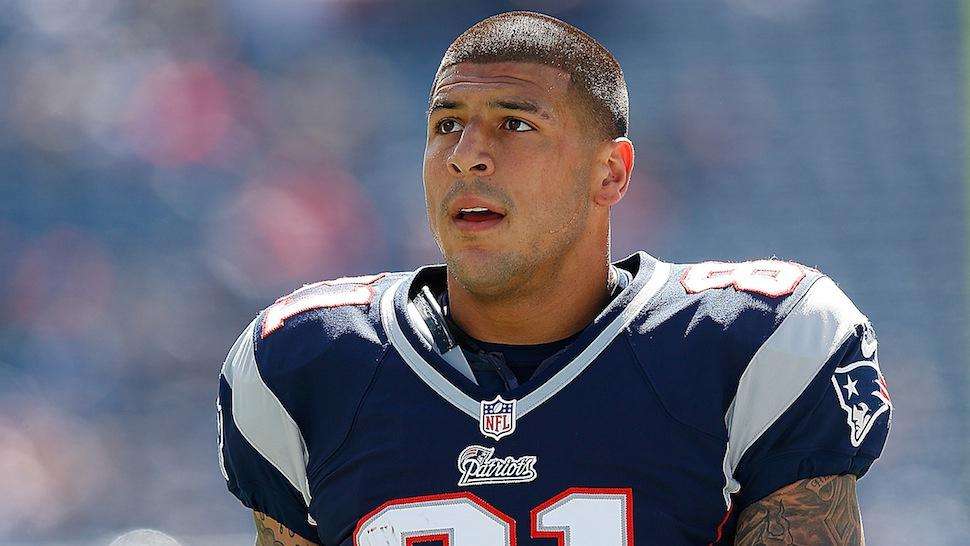
Quick and dirty count as of two days ago—15 arrests of professional football players this summer. 30 stories of arrests or players kicked off of college football teams this summer. The count rises each day. The incidents usually involve drugs or alcohol linked to assaults, mayhem or driving incidents. It happens every early summer to football players. The predictable articles and hue and cry will arise about how violent football players are, especially given the Aaron Hernandez murder charges. But this occurs each year at this time of year. It has its own rhythm tied to the dog days of summer. Why?


Football teams groom and recruit violent young men or men capable of angry controlled violence to play this game. The successful ones often live in a bubble that tends to protect them from too serious consequences for off field squabbles. At the same time, these young men, often from angry and violent backgrounds, learn that their bellicosity and strength can be channeled into “productive” activities. They learn to hit, smash, run, block, crunch, power through on the football field and get rewarded. They learn to endure pain and inflict pain as a path to glory and a future.

The point to remember here is that these young men ages 18-25. Young men do stupid violent things all the time, hopefully without too much hard being done.  Football players are rewarded for their belligerence and remain capable of calling upon violent action and exploding into controlled force at any time. Some escape to football from cultures where violence surrounds them and learning to be tactically violent is a survival tool. Others come to football with a huge residue of anger. Football players possess in abundance normal male fueled hostility and culturally fueled anger.


All football players possess the capacity for serious disorderly violence if the discipline and team ethos that shapes and directs it is not around. In this they are not so different from many other males their age—left without purpose or authority or structure; they get into trouble. College and professional football coaches are not noted for their gentleness, the culture and structure surrounding teams needed to nurture, control and direct the capacity to inflict and endure pain takes constant authority and strength.

Early summer poses multiple problems for college and professional football players. Many are too young to be married. Often they have little home or not much home to go to. Few of them have summer jobs to fill their day and exhaust them. Free time, boredom and lots of roiling energy—not a good combination.

More importantly during the early summer the football players are unmoored unless anchored in a family. Their peers doe not surround them with norms and goals that can support directing anger and tempers. Those peers also give them a culture of banter and bashing that permits lots of the competitive anger and violence to find safe outlets. Even safer outlets occur during practice and team condition drills or working one on one with trainers and coaches. During early summers college players are free—they may be in class, but are not imbedded in team or coaching authorities.

Likewise professional athletes who are not married are free with lots of money and status to wander and look for ways to get into trouble. They are not surrounded by teammates or coaches or minders.

On the other hand unlimited opportunities for fun and mischief beckon them. Lots of folks, friends, wannbes or hanger-ons will urge them on into trouble or not great situations at bars and clubs and parties. A few from the old neighborhood have other more twisted or complex agendas offering the fun and challenge and initiation of crime to their “old friends.”

Strong coaches, team rules and peer culture give them homes where they often had none. The stress and demands of forty to sixty hours a week of practice, conditioning and travel and playing dominate their times. Players often do not have the time or energy to get into serious trouble during the season. When it happens, it almost always happens at an after game party. These are the safe times that structure the matrix to grow as players and if done right as self-controlled young men.

It happens every summer. The arrests and charges for drinking related crimes or mayhem or assault will rise until camps begin. The discipline of teammates, coaches and sheer physical and mental work of being a modern football player will tap out or direct the anger and aggression. The common purpose of forming a team and winning championships will give purpose and meaning that undergird the discipline for the belligerence that so many can call upon.

With luck players will make it through the summer intact without too much damage to themselves or others. With luck, help and maturity, they will grow through the mess and temptations of early summer and end up as mature good men.

Saturday, July 6, 2013

My Mother's Death

Hi.

I have not written my blog for awhile. I just wanted folks to know that I will start writing soon, but my mother entered hospice about eight weeks ago after a long battle with dementia. She died soon after. All of her children had a chance to visit her in that final week. Last week our family gathered in Kansas City for a beautiful mass to celebrate her life. We then lay her to rest with dad.

I miss her. My complex emotions really end in knots of silence, so I am borrowing the words of another to speak of her.


Final Soliloquy of the Interior Paramour

 Light the first light of evening, as in a room
In which we rest and, for small reason, think
The world imagined is the ultimate good.

This is, therefore, the intensest rendezvous.
It is in that thought that we collect ourselves,
Out of all the indifferences, into one thing:

Within a single thing, a single shawl
Wrapped tightly round us, since we are poor, a warmth,
A light, a power, the miraculous influence.

Here, now, we forget each other and ourselves.
We feel the obscurity of an order, a whole,
A knowledge, that which arranged the rendezvous.

Within its vital boundary, in the mind.
We say God and the imagination are one...
How high that highest candle lights the dark.

Out of this same light, out of the central mind,
We make a dwelling in the evening air,
In which being there together is enough.

Wallace Stevens